Beat the Heat: Pool Care Tips for Hot Weather
Hot weather can be tough on your pool. As water temperatures rise, chlorine disappears faster, algae becomes more active, evaporation increases, and water chemistry can change quickly. Increased swimming also introduces more sunscreen, body oils, sweat, and other contaminants.
A few simple adjustments to your routine can help keep your pool clean, balanced, and ready to enjoy all summer.
Table of Contents
1. Test Your Water More Often
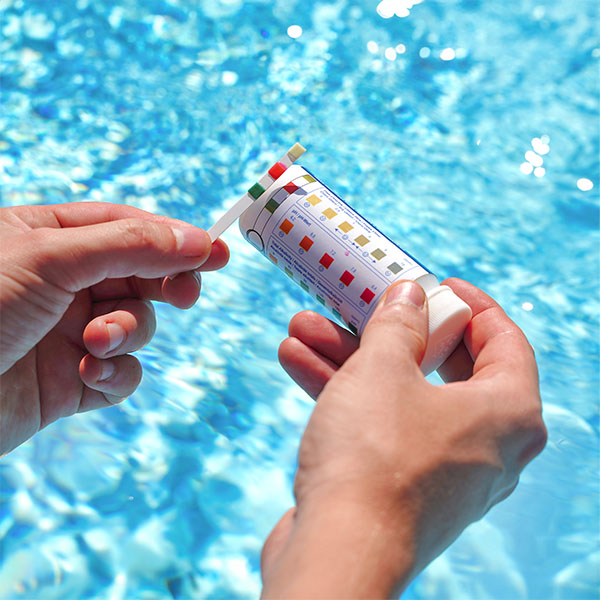
Pool chemistry can change rapidly during extreme heat. While weekly testing may be enough under normal conditions, test more frequently when temperatures climb above 90°F, or the pool is getting heavy use.
Pay close attention to chlorine, pH, alkalinity, calcium hardness, and Cyanuric Acid. Keeping these levels balanced helps prevent cloudy water, scale, algae, and equipment damage.
For a complete analysis, bring a water sample to your local Leslie’s for a free 10-point water test and customized treatment plan with step-by-step instructions for how to keep your pool on track!
2. Maintain Proper Chlorine Levels

Warm water, sunlight, algae, bacteria, and heavy swimmer use can all cause chlorine levels to drop faster than usual.
Use a daily sanitizer, such as Leslie’s 3” Jumbo Tabs, to keep the water protected and test your chlorine level regularly to maintain a Free Chlorine level between 1-4 parts per million (ppm). Outdoor pools should also maintain the proper Cyanuric Acid level to help shield chlorine from the sun’s UV rays.
Shock the pool weekly to kill algae, bacteria, and organic contaminants. Use a chlorine-based shock, like Leslie’s Power Powder Plus, when chlorine is low or after heavy swimmer use, rainstorms, or other weather events. If your free chlorine level is at least 2 ppm, use a chlorine-free shock, like Leslie’s Fresh ‘N Clear, to oxidize contaminants and break down oils, sunscreen, and odor-causing chloramines.
Always follow product label directions and wait the recommended amount of time before swimming. Not sure which type of shock is best for your pool? Learn more in our Pool Shock Comparison Guide.
3. Stay Ahead of Algae
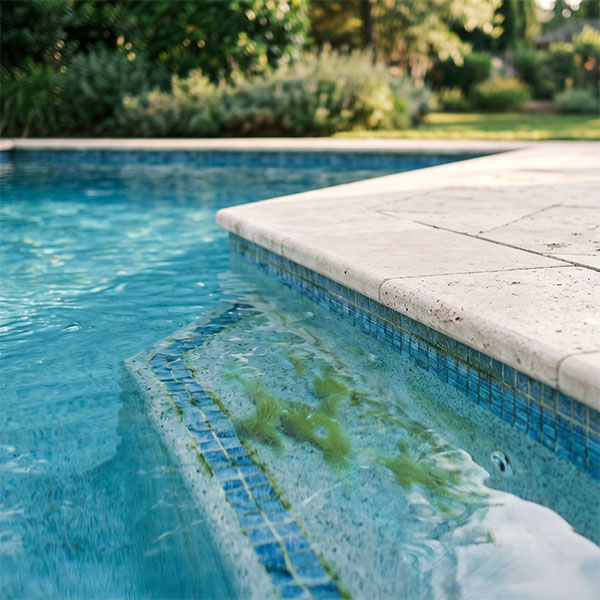
Algae grows faster in warm water and can quickly turn a beautiful, clear pool into a cloudy, swampy mess.
To help prevent algae during heat waves, follow these simple steps:
- Maintain the proper chlorine level
- Test and balance the water frequently
- Brush pool walls, steps, corners, and other low-circulation areas weekly
- Keep water circulating and filtering properly
- Add an algaecide to your weekly routine
PRO TIP: When it comes to pool algae, prevention is the best solution! Don’t wait for algae to show up and ruin your weekend plans. Preventing algae from the start is easier and less expensive than treating a full outbreak.
4. Increase Pump Run Time
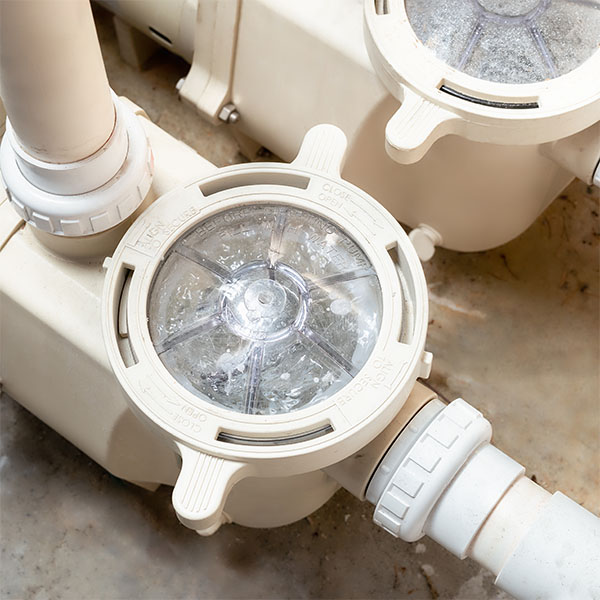
During hot weather, keeping your water circulating is one of the most useful ways to prevent major problems. Moving water distributes sanitizer, carries debris to the filter, and makes it more difficult for algae to attach to pool surfaces.
For a single-speed pump, a common guideline is to run it for at least one hour for every 10°F of air temperature. For example, when the temperature reaches 100°F, the pump may need to run for 10 hours or longer. Variable-speed pumps can usually run longer at lower speeds. Some pool owners operate them continuously at a low speed during peak summer, increasing the speed when using cleaners, salt systems, or other flow-dependent equipment.
Your ideal schedule will depend on your pool size, pump, filter, weather, and water conditions. For more information about calculating the right pool pump run time, check out our blog article.
DID YOU KNOW? Running your pump at different times of the day can serve different purposes in your pool care routine. You can learn more about choosing the best time to run your pump in our blog
5. Reduce Water Loss
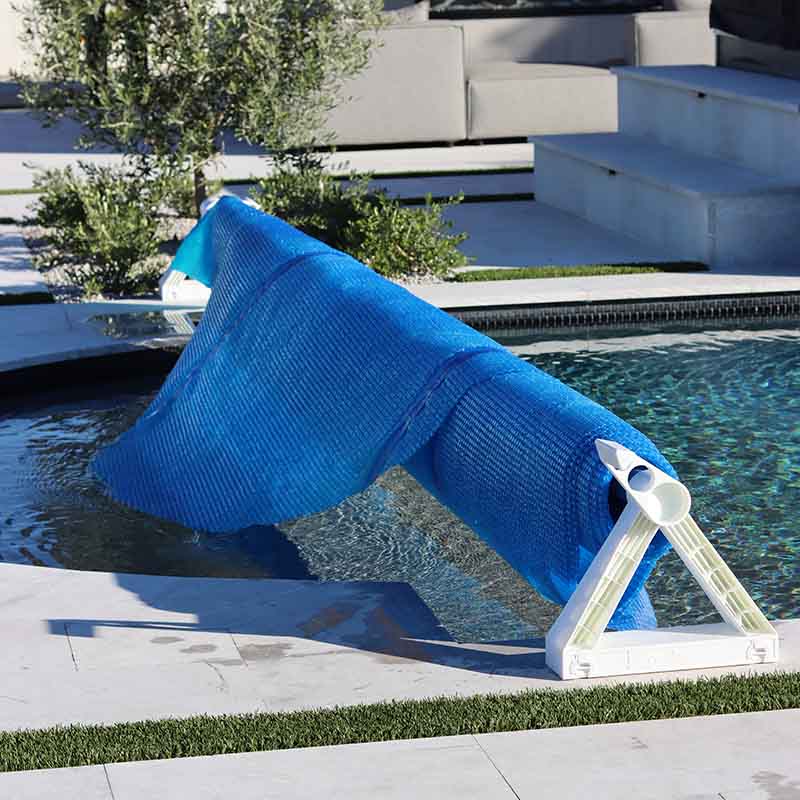
Heat, dry air, wind, and direct sunlight can cause pool water to evaporate quickly. As the water level drops, chemicals become more concentrated, and the pump may struggle to circulate water properly.
Check the water level regularly and keep it near the middle of the skimmer opening. A solar cover can also significantly decrease evaporation (up to 95%!) while helping conserve water and maintain more consistent water chemistry by reducing chemical loss. Take a look at our Solar Pool Cover Buyer's Guide to learn more about the ins and outs of solar covers.
Make sure to monitor your pool for possible leaks. A sudden or unusually large drop in water level may be caused by more than evaporation.
6. Add the Perfect Defense
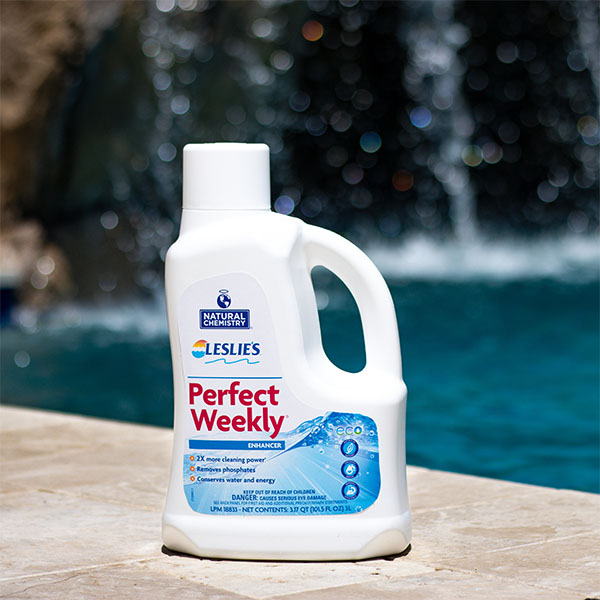
Phosphates can provide a food source for algae, while sunscreen, lotions, cosmetics, and body oils increase chlorine demand and may contribute to cloudy water.
Leslie’s Perfect Weekly is the triple-action maintenance product designed for easier care and better pool water. This product contains a phosphate remover, a liquid solar cover to reduce evaporation, and enzymes to boost filter efficiency.
Keep Cool in Your Pool!
You're probably familiar with all the different ways to take care of yourself during a heat wave: staying hydrated, using sunscreen, and keeping yourself under shade when possible. However, you may not have known your pool required some extra TLC, too! When temps spike, remember to:
- Test the water more frequently
- Maintain 1–4 ppm Free Chlorine
- Shock the pool weekly and after heavy use
- Brush and circulate the pool thoroughly
- Monitor the water level
- Address algae and water balance problems early
With a little extra attention, your pool can stay clean, safe, and refreshing through even the hottest days of summer. Because we all know, when it’s sweltering outside, there’s nothing better than diving into a clean, cool pool! For personalized help, visit your local Leslie’s with a water sample and speak with one of our pool care experts.
JUMP IN WITH US ON SOCIAL!