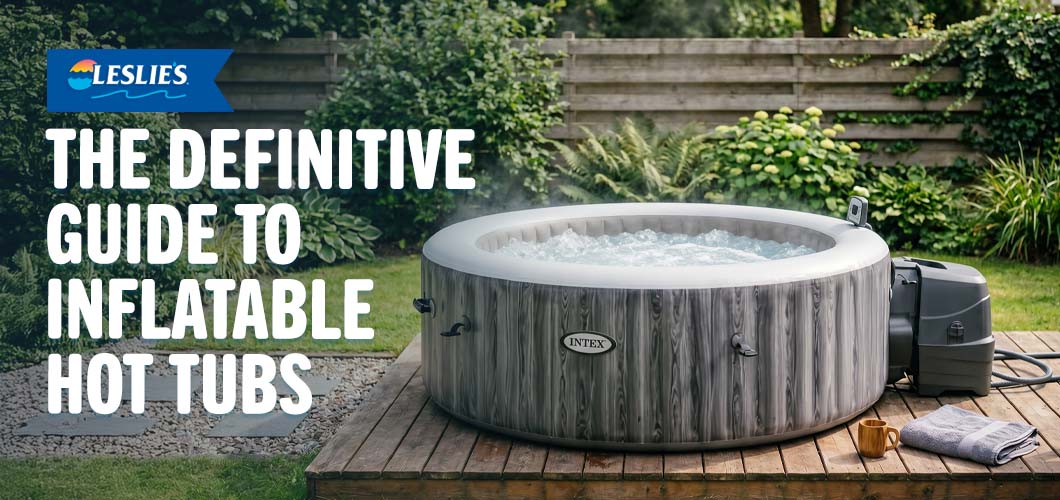
The Definitive Guide to Inflatable Hot Tubs
By Matt Giovanisci, Swim University
If you love the idea of relaxing in your own spa but don't want something as permanent as a standard hot tub, an inflatable hot tub is the perfect solution. You can set one up almost anywhere flat with a nearby outlet, even indoors or at your campsite.
Inflatable spas don't have all the same features as standard spas. While they do deliver hot, bubbly water, most don't have water jets, and they can't transport you back to the 1980s. Learn exactly what you're signing up for before you break out your air pump.
Buying an Inflatable Hot Tub
If you're a renter with a sad, empty patio, someone with a finished garage that needs some excitement, or you want the ability to soak in a hot tub without breaking the bank, you might want to buy an inflatable hot tub.
They provide essentially the same experience as a standard spa without requiring permanent changes to your home or property. You should be able to find one for less than $1,000. They're easy enough to set up that you'll probably be able to do it on your own, as long as you can carry the hot tub when it's deflated.
Important Inflatable Hot Tub Features
Portable spas are made from thick vinyl rather than the hard acrylic most standard spas are made from. You also won't find the same laundry list of bells and whistles on inflatable hot tubs that you will with premium spas, but a few things are worth close comparison before you buy.
Capacity
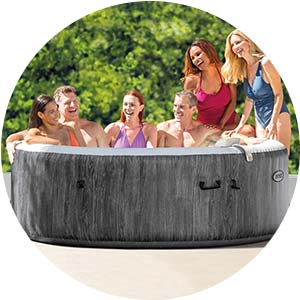
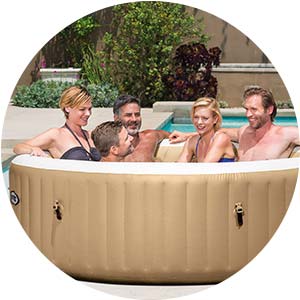
Inflatable hot tubs commonly come in two-, four-, and six-person sizes. Keep in mind that capacity can be a tight fit. If you want extra room to stretch out, consider sizing up.
Control Panel
Most inflatable spas include a simple digital control panel for adjusting temperature, turning bubbles on and off, and setting timers. Look for a model with a control panel that can be reached from inside the spa so you don’t have to get out to make adjustments.
Hard Water System
This is an additional feature of the filtration system in some inflatable spas. It can help to prevent or at least minimize calcium deposits and buildup in your hot tub. However, it is not a replacement for proper water chemistry.
Heaters
Most hot tubs, including inflatable models, should not exceed 104°F. This is based on a recommendation from the Consumer Product Safety Commission (CPSC) about accidental drownings and heat stroke in too-hot spa water. Many bathers prefer water between 100°F and 102°F. Inflatable hot tubs usually heat slowly, often gaining about one to three degrees per hour, so expect the initial heat-up to take 12 to 24 hours.
To help retain heat, keep the spa covered when not in use. If it’s outdoors, placing it near a windbreak, privacy screen, or sheltered area can also help reduce heat loss.
Pumps
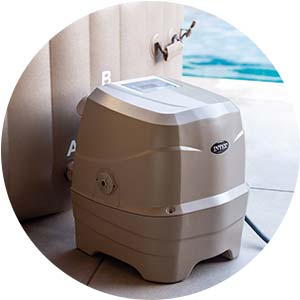
The pump circulates the water and usually powers the air blower used for bubbles and inflation. In many inflatable hot tubs, the pump, heater, and control panel are housed together in one unit.
Most models plug into a standard 120-volt outlet and include a built-in GFCI for safety. Because hot tubs draw a lot of power, the spa should be the only major item using that breaker.
Shape
Nearly all portable spas are round, but you'll also find a few square models on the market. While it may not be a deal-breaking feature, square models and the two-person rowboat style hot tubs have a little more legroom for bathers. Of course, the space also depends on how many bathers you have in the spa at one time.
Cover
Inflatable hot tubs typically come with a cover, and some include insulated or inflatable cover options. A good cover helps retain heat, keeps out debris, and can reduce energy use. If the included cover wears out or doesn’t perform well, aftermarket covers are available.
Jets
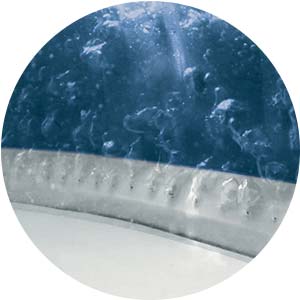
With the rare exception, inflatable hot tubs usually have 100 to 200 air jets. Standard spas have jets that shoot strong streams of water out, sometimes combined with air jets.
If water jets are an absolute must-have for you, pay careful attention to this feature. One brand of inflatable hot tub boasts four water jets. This is far fewer than a standard hot tub because of the difference in power, but they do provide a different experience than air-only jets.
Ground Cloth
Most inflatable spas include a ground cloth to protect the bottom from debris and rough surfaces. For added support and protection, you can also use a hot tub pad or another sturdy, level base.
A Few Inflatable Hot Tub Drawbacks
Nothing in life is perfect. As great as it can be, you should consider a few downsides to buying, setting up, and maintaining your inflatable hot tub. You'll be happy to know, though, there really aren't that many.
Noise
The loudest sound you'll hear is the air when setting up your inflatable hot tub. The air blower built into the pump and heater enclosure is used with a special accompanying hose to inflate the whole spa. The air blower can be loud during setup and when the bubbles are running. Noise may be more noticeable indoors or in enclosed spaces.
Lack of Seating
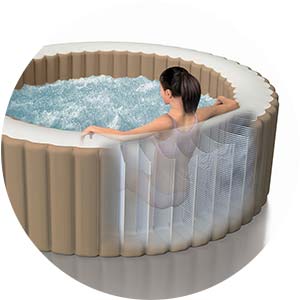
If this is your first time buying an inflatable hot tub, you might be surprised to learn that there are no seats inside like a standard spa. In fact, they're designed with a padded floor, so bathers will sit on the bottom.
For added comfort or height, you can buy removable seats or cushions.
Warranty Length
Some inflatable hot tubs have limited warranties, and certain models may only offer coverage for a short period. Read the warranty details before buying, and set up the spa soon after purchase so you can test everything while it’s still covered.
Short Filter Life
Inflatable hot tub filters are smaller and usually need more frequent attention than traditional spa filters. Rinse them every few days and replace them every couple of weeks, depending on use and manufacturer recommendations.
Heating Capacity
The pump and heater that come with your inflatable hot tub aren't designed to run both the bubbles and heat at the same time. This means if you use it during the winter months, you're going to get cold, fast.
If you're a fan of DIY solutions, you can solve this problem by building your own propane water heater that will run separately from your pump. Before using your spa in winter, check the temperature rating for your pump and heater. Most are only safe to use in temperatures above 40°F (4°C).

Inflatable Hot Tub Accessories
A few accessories can make your inflatable hot tub more comfortable and enjoyable.
Seat cushions can add comfort and height, especially for shorter bathers. Headrests provide extra neck support and can usually be moved around as needed. Drink holders and trays attach to the side of the spa for convenience. Submersible LED lights can add color and visibility at night. A solar cover can help reduce heat and chemical loss while keeping bugs and debris out of the water.
Inflatable Hot Tub Sanitizing
Clean, balanced water is essential in any hot tub. Warm water and small water volume can make it easier for bacteria and contaminants to build up, so sanitizer and water balance are especially important.
Always follow the manufacturer’s instructions for your specific model. Some inflatable hot tubs allow chlorine tablets, some warn against them, and others may use a saltwater system. Use the correct sanitizer for your spa and test the water regularly.
Even if you only plan to use the spa for a short time, do not skip sanitizer. Proper water care helps protect bathers from bacteria, cloudy water, odors, skin irritation, and other problems.
Inflatable Hot Tub Location and Setup
Are you ready to start kicking back and relaxing in your hot, bubbly spa? Well, you've got to set it up first, but don't worry. You'll be able to hop in by tomorrow.
Where to Set It Up
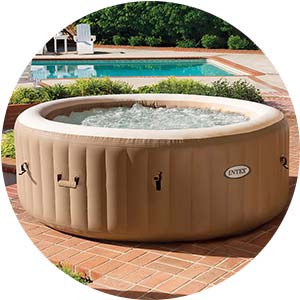
Choose a flat, sturdy surface that can support the filled weight of the spa, water, and bathers. A concrete patio or level yard can work well. Avoid placing an inflatable hot tub on a wooden deck unless you know the structure can safely support the weight.
An empty inflatable spa may weigh 65 to 100 pounds, but once filled, it can weigh 2,000 to 3,500 pounds. A good rule of thumb: if you wouldn’t park a car there, don’t place a filled hot tub there.
If you plan to use the spa in colder weather, choose a sheltered area and check the temperature rating for the pump and heater. Extra insulation beneath the spa can also help reduce heat loss.
How to Set It Up
Setup instructions vary by model, but most inflatable hot tubs follow the same basic process:
- Choose a level location near an outlet, with room for splash-out and drainage.
- Clean the area and remove rocks, sticks, or sharp debris.
- Lay down the ground cloth or protective pad.
- Assemble the pump and heater unit.
- Spread out the spa and inflate it using the included hose and pump.
- Install the control panel if needed.
- Make sure the drain is closed and filters are installed.
- Fill the spa with water.
- Add sanitizer and balance the water.
- Cover the spa and turn on the heater.
- Allow 12 to 24 hours for the water to heat before use.
Inflatable Hot Tub Safety
Look into your state's safety laws and guidelines that may apply to using an inflatable hot tub. Your local code enforcement office can tell you where to find laws that apply to your situation.
Even if you don't have any local safety laws to abide by, consider following the CPSC's recommendations regarding portable, above ground pools for keeping everyone safe around your inflatable hot tub. Their suggestions, such as notifying your neighbors that you bought an inflatable spa, could save a life.
If you want to speed up heating, some people use warm household water for part of the fill. Be careful not to add water that is hotter than the spa materials or safe soaking temperatures can handle. Start with cool water, then use warm water only for part of the fill if your manufacturer allows it.
Inflatable Hot Tub Maintenance and Cleaning
Maintaining your inflatable hot tub is actually pretty simple, as long as you don't let it go a long while without care.
Filtration System
Skim the water often, especially if the cover is left off. Rinse the filters every two or three days with clean water. Do not use detergents or household cleaners on the filter, as they can cause foaming and damage the filter media.
Replace filters when they become stiff, discolored, or difficult to clean.
Draining and Refilling
Drain and refill your inflatable hot tub every one to three months, depending on use. Heavy use, cloudy water, foaming, or water chemistry that won’t stay balanced are all signs it’s time for fresh water.
To drain the spa, attach a hose to the drain valve and direct the water to a sanitary sewer, not a storm drain, creek, or natural body of water. Spa water can contain chemicals and contaminants that may harm plants, wildlife, or local waterways.
Once drained, clean the inside with mild soap, warm water, and a soft sponge. Avoid abrasive cleaners, powder cleansers, or steel wool. Rinse thoroughly before refilling to prevent foaming.
If you find a leak, dry the area and use the patch kit that came with your spa. Replacement vinyl patch kits are also available from pool and spa supply stores.
Storage
If you’re putting your inflatable hot tub away, make sure it is completely clean and dry before folding it. Store it in the original box or a sealed container in a dry area away from sunlight and pests. Carrying bags are useful for transportation, but a sealed container is better for long-term storage.

About the author: Matt Giovanisci is the founder of Swim University. He's dedicated himself to simplifying the complexities of water care. His annual efforts are focused on assisting an ever-growing number of pool and hot tub owners in mastering water chemistry, maintenance, and problem-solving techniques.
JUMP IN WITH US ON SOCIAL!